Four roads for a worn metal fireplace
A factory-built fireplace that has seen forty winters in Glendora usually reaches a point where the owner asks whether to keep fixing it. There are three working roads: repair it to its listing, replace the whole unit with a new listed fireplace, or fit a gas insert that is listed for use in that model. Retiring the fireplace is a fourth, and for some houses the right one. Below we compare them on cost, on what the house gets, and on what has to be true for each to be possible at all.
Road one: repair to the listing
Repair keeps the original unit and swaps worn parts for ones approved for that model: refractory panels, grate, screen, doors, smoke shield, damper parts, a pipe section, the cap.
It works when:
- the maker or a successor still supplies the part, or an approved substitute exists;
- the steel firebox and the outer casing are sound, with no splits or burn-through;
- the pipe joints are locked and the firestops are in place.
In most houses it costs the least of the four. Parts are priced in writing once we identify the model. From our price list, finding and stopping water at the chase is $565 to $3,400. A cap is quoted after we measure.
What you give up: nothing in how the fireplace looks or works. But an old unit keeps needing parts, and the supply for discontinued models thins every year.
Road two: replace the unit
A new factory-built fireplace goes into the framed opening with its own new pipe and cap. The old pipe was listed with the old box, so it usually comes out too; a new box on an old maker's pipe is not allowed unless the new maker lists that pairing. The chase, the hearth and the face around the opening may need work to suit the new unit's clearances.
It works when the framing can be opened and the chase is large enough for the new pipe, which covers most tract houses.
The cost is quoted in writing after a visit, because the face finish, the chase work and the choice of unit vary so widely. A new appliance is permitted work in most cities; our up to code repairs page covers how city sign-off goes.
What you get: a unit with current parts support and fresh clearances. What you give up: the old face, and the job runs longer than a repair.
Road three: a gas insert listed for your model
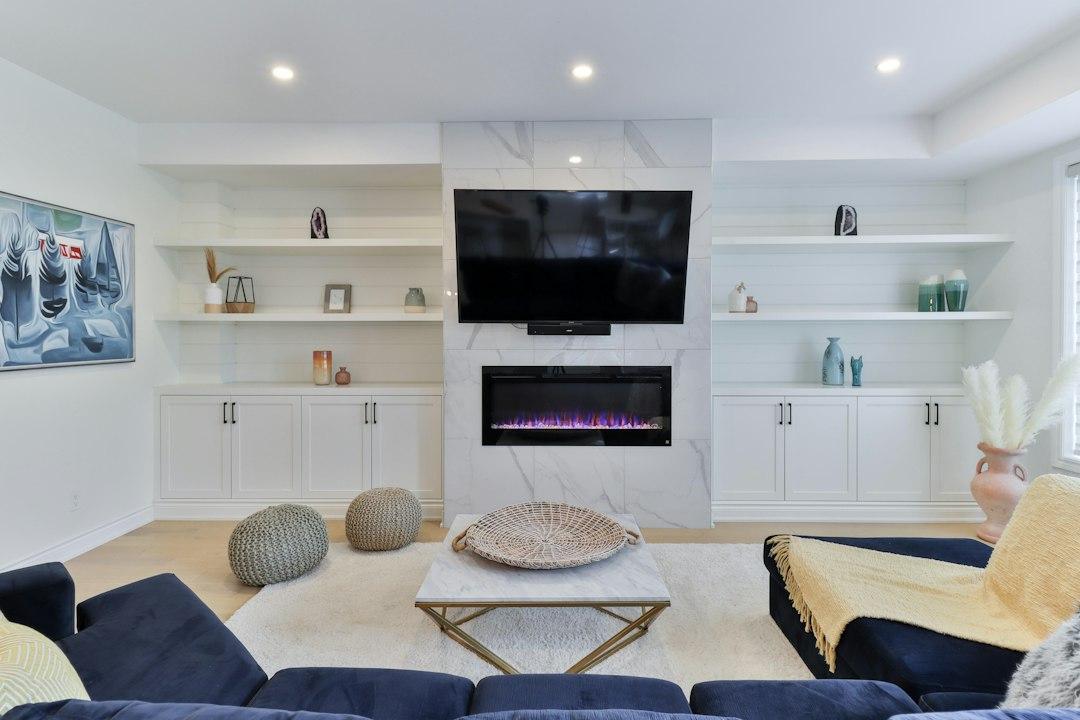
Some fireplace makers, and some insert makers, list particular inserts for use inside particular factory-built fireplaces. Where that listing exists, the insert slides into the old box with a liner up the existing pipe, and the flame sits behind sealed glass. Where it does not, no insert can go in that unit, however well one might seem to fit.
Our figure for a gas insert is $2,800 to $5,650, set by the model, the liner and the gas line. A gas line and a city permit are usually part of the job. See fireplace inserts for what the install covers.
What you get: real heat, a switch instead of firewood, and no ash. What you give up: the wood fire. And an insert does not cure a badly damaged base unit; the outer box still has to be sound.
Road four: retire it
If nobody in the house lights the fireplace, closing it can make sense: a top that keeps rain out, the damper sealed, a cover over the opening, and a note in the house file. The chase still needs its top and cladding kept in order, because a wet chase rots framing whether or not anyone lights a fire under it.
How the choice usually falls
- Panels cracked, steel sound, parts still made: repair.
- Parts no longer made, steel sound, a listed insert exists: insert.
- Steel split or burned through: replace or retire; no listed repair exists.
- Pipe sections parted inside the chase: camera first, then repair if sections are available, replace if not.
- Fireplace never used: retire, or repair only the top so water stays out.
What settles your answer
Two facts decide most of these: what the model is, and what state the steel and the pipe are in. The first comes from the plate. The second comes from an inspection. Where the pipe is involved, that means the Level 2 at $395, which carries a camera from the firebox to the cap and records every joint. The Level 1 at $55 is enough when the question is only the firebox and its panels.
Book the inspection that answers it and say whether you want to keep burning wood, switch to gas or stop using the fireplace, so the quote covers the roads that fit.
What we see in Glendora houses
Much of Glendora, and the tracts in Covina and Azusa, went up when prefab fireplaces became the builders' default, and whole streets often share one model. That helps: if a part exists for one house, it exists for the neighbours. It also means that when a model goes out of supply, a whole street meets the same wall at once, and inserts listed for that model become the usual answer.
Shaking does less to a light framed chase than to a brick stack, since the chase moves with the house. What we do find after a quake like the one in 1994, or the smaller ones since, is a pipe joint knocked out of line or a firestop shifted, which only the camera shows.
Next move
Tell us the address, and which road you lean towards, through the contact page. The written quote then lines up the options your unit actually allows.
A Metal Firebox That Needs a Look?
Tully Chimney Works works from Glendora on factory built fireplaces. Repairs follow the maker's listing, and parts are ordered by model number off the rating plate.