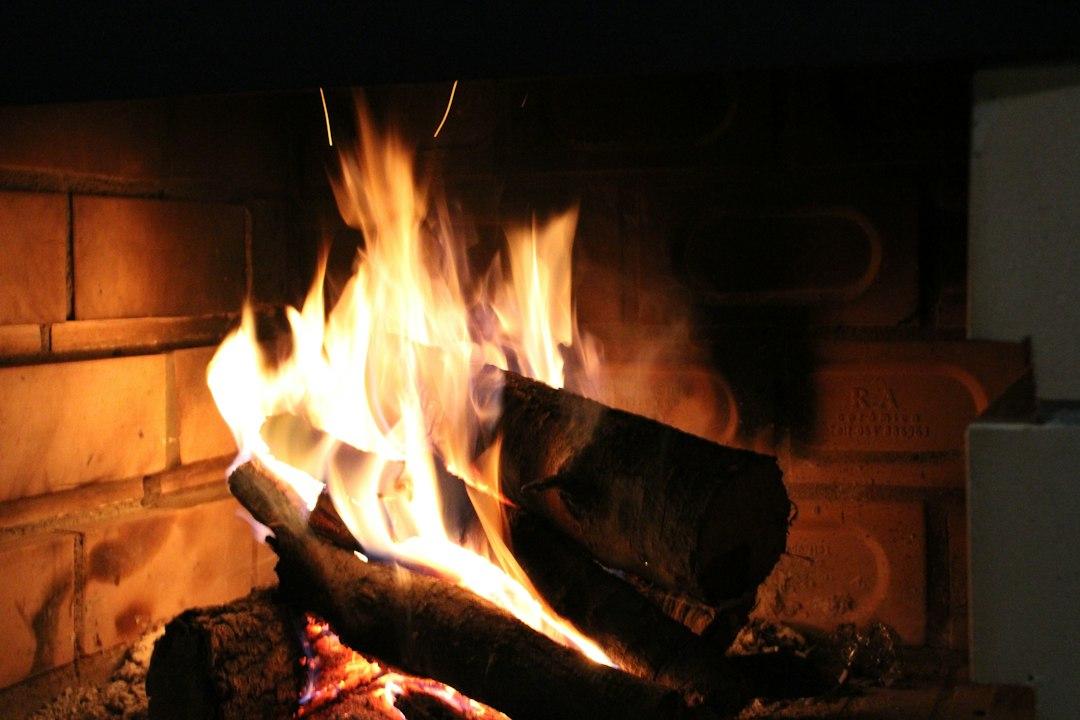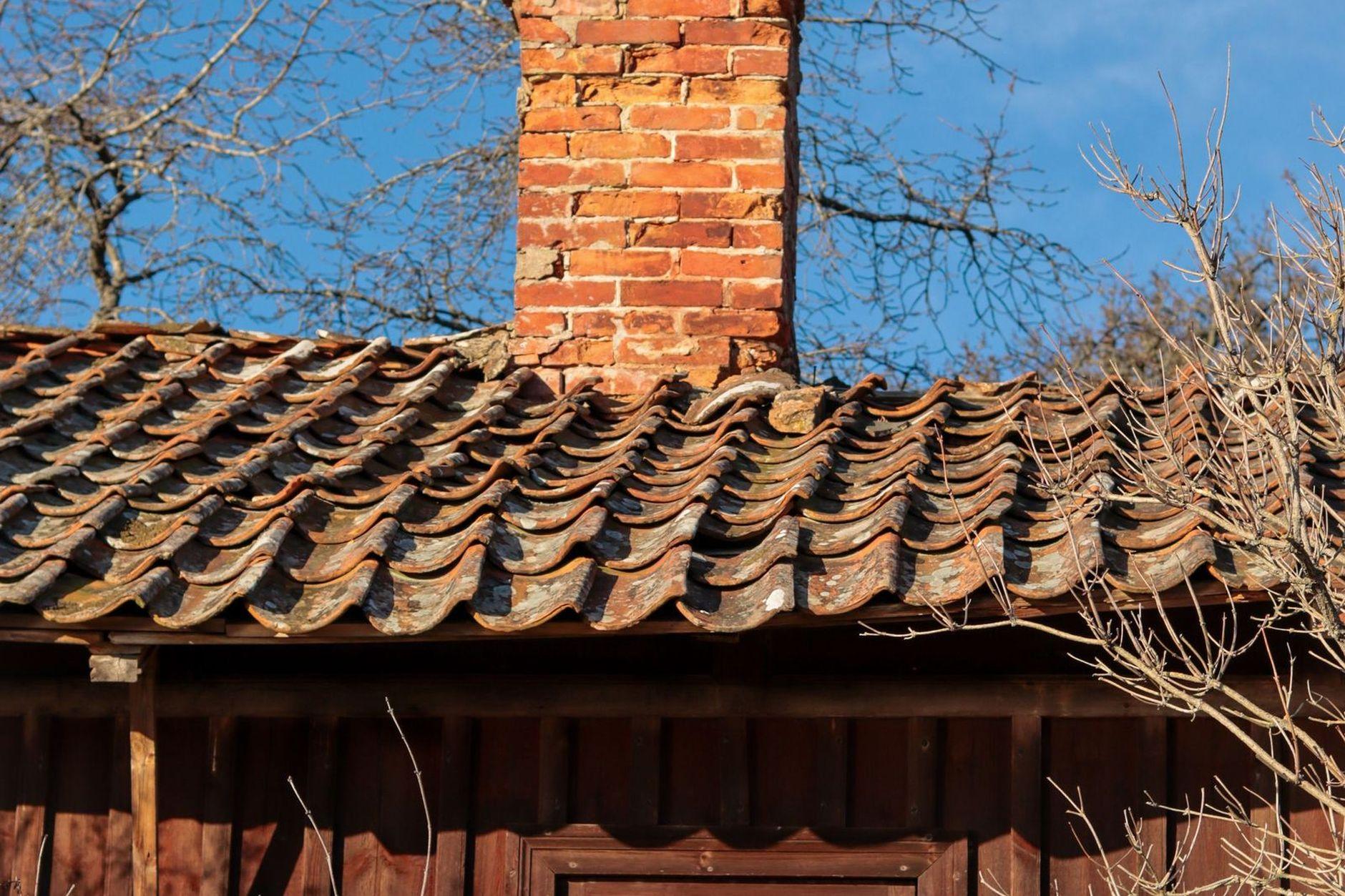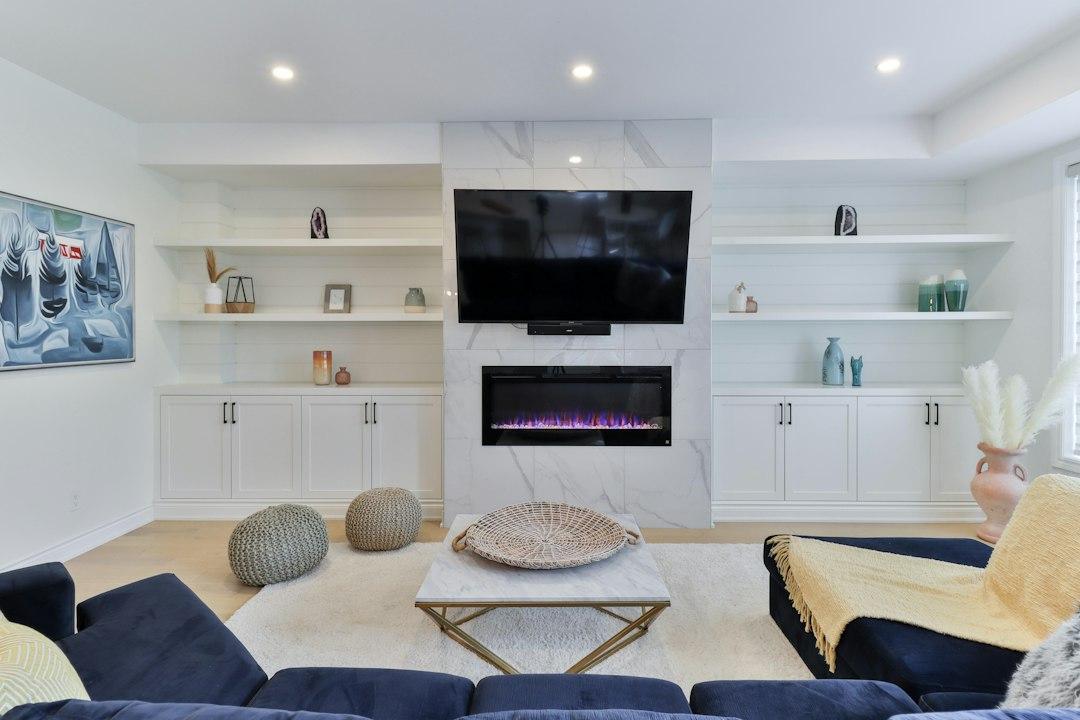
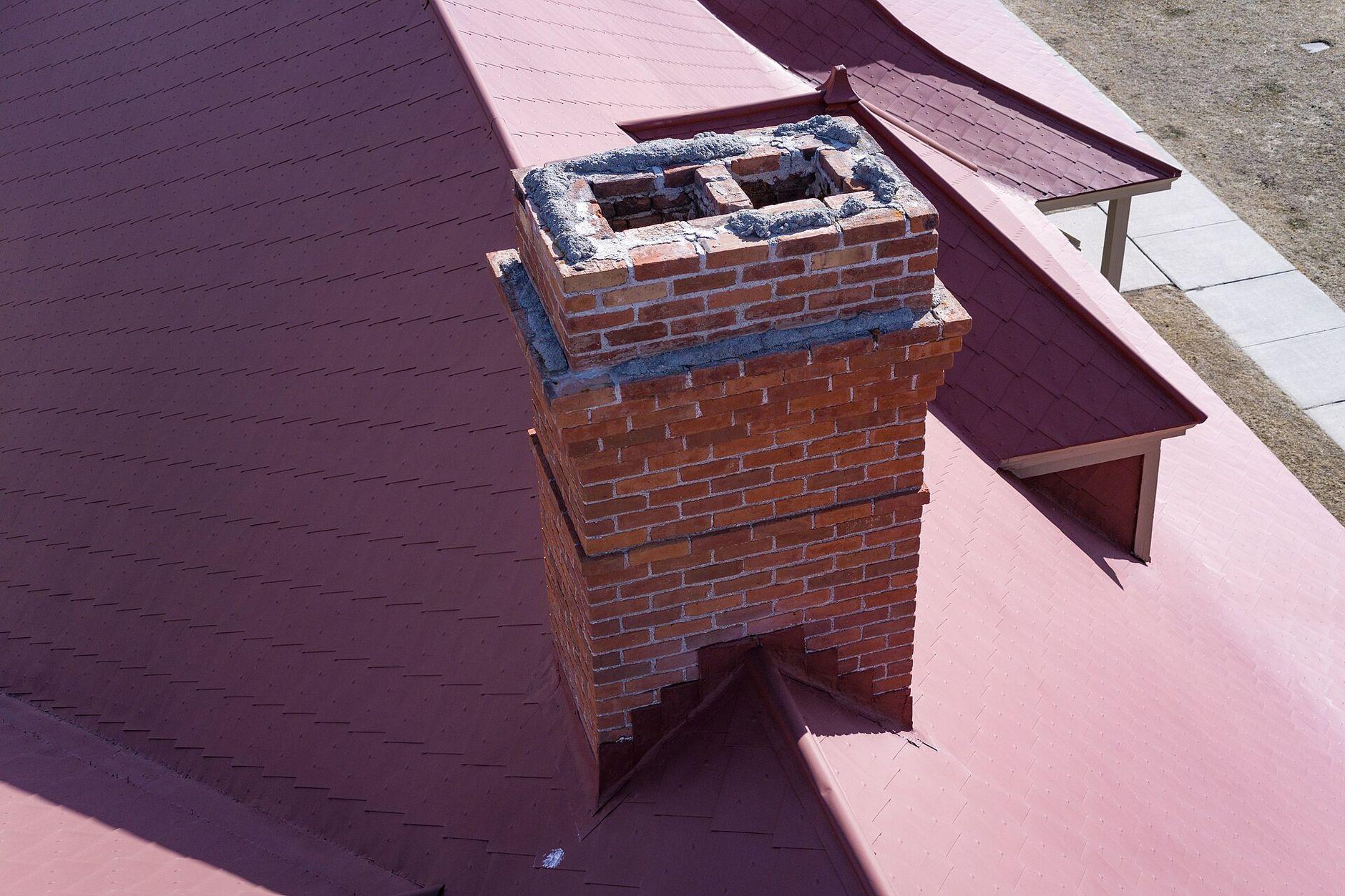
The listing says fireplace. The plate says more.
A Glendora listing that mentions a fireplace rarely says which kind. In most houses built from the 1970s onward, it is a factory-built unit: a steel firebox in a framed opening, a metal pipe inside a timber chase on an outside wall or through the roof, and a cap that belongs to that pipe. If you are buying one of these houses, the chimney inspection you order during escrow has to treat it as a manufactured product with a listing, not as brickwork.
Below: which inspection to order, what it looks at on a factory-built system, what the report gives you, and how buyers put it to work.
Which inspection, and what it costs
A general home inspection covers the whole house in a few hours and usually gives the fireplace a line or two. NFPA 211, the national chimney standard, sets out deeper levels of inspection, and for a change of owner it calls for the camera-based one, known as Level 2. Ours is $395. On a prefab system that means a camera from the firebox to the cap through every pipe joint, plus whatever part of the chase can be reached from the attic or an access panel.
The Level 1, at $55, suits a fireplace whose history you know. On a purchase, you do not know it.
What a Level 2 checks on a factory-built system
- The plate. We record the maker and model, or note that the plate is gone. A missing plate matters, because without it parts and inserts are hard to match.
- The firebox. Panels, floor, grate, screen or doors, smoke shield and damper. A split in the steel is the finding that matters most.
- Space to combustibles. Whether a remodel brought a mantel, trim or a new stone face closer to the opening than the listing allows.
- The pipe run. Each section on camera: joints locked, no gaps, no dents, no heavy rust, no nesting.
- Firestops and the attic. Where the pipe passes the ceiling, whether the firestop is there and nothing combustible is packed against the pipe.
- The top. Cap, chase cover, storm collar, and the cladding and flashing around the chase.
What the report gives you
Each finding has a photo and a short note on what it means for the purchase: fine as it stands, repair before use, or do not use. Where a repair has a figure on our price list, the report shows it, such as $565 to $3,400 for finding and stopping water at the chimney. A cap is quoted after we measure the flue. Other repairs carry a written quote tied to the model. You receive the camera stills, not only a summary.
Order a Level 2 for the house you are buying and give us the listing agent's name for access, plus everyone who should get a copy.
Buying from somewhere else
Plenty of Glendora buyers are moving in from out of the area and cannot attend. The visit does not need you. The listing agent or the seller lets us in, and your own agent can come along if they wish. The report reaches you wherever you are, with enough photos that you can see the fireplace as clearly as if you had stood in front of it. Our home sale chimney inspection page sets out how access is arranged.
Putting the report to work
With the report in hand, a buyer's agent has something specific to put to the seller: fit the listed cap, replace the cracked panels, or adjust the price for the work. Some buyers accept the house as it is and plan the repair after they move in. What the report gives everyone is the same picture.
When the finding is a split firebox, no listed repair exists, and the talk turns to a new unit, a listed insert, or leaving the fireplace unused. The repair or replace guide sets those out.
If the seller agrees to repairs, ask that they be done to the listing with the maker's parts, and that photos come with the paperwork. Our page for real estate agents covers repairs ordered during escrow.
What tract houses tend to show
- A replacement cap that does not belong to the pipe, often a generic one fitted after a storm.
- A chase cover rusted through at the corners, with water marks on the pipe below. See rusted chase cover replacement.
- A gas log set placed in a wood-burning prefab without the maker's approval.
- Glass doors from another maker with a gap along the top.
- A mantel added in a remodel, too close to the opening.
- Panels cracked through, or with pieces missing.
None of these is a reason to walk away from a house. Each is something you want priced before you sign. A buyer who knows the model and the state of the pipe also knows what the first winter in the house will cost, which is the real point of the visit.
The Glendora angle
Houses on the north side of Glendora sit close to the brush of the San Gabriel foothills, and Santa Ana winds carry embers a long way. A cap with an intact spark screen is a small item to settle before you move in. Further south, toward Route 66 and the older streets near the village, you also find masonry chimneys from before the tract years, and the same Level 2 covers those with a camera through the flue tiles.
Booking it
Send the address, the listing agent's details and the date your inspection period ends through the contact page, and we will set the visit with the agent.
A Metal Firebox That Needs a Look?
Tully Chimney Works works from Glendora on factory built fireplaces. Repairs follow the maker's listing, and parts are ordered by model number off the rating plate.