A brown streak down the stucco
The first sign of a failing chase cover on a Glendora house is often on the outside wall: a rust-coloured streak running down the stucco or siding from the top of the chimney chase. Indoors, it can show as water on the firebox floor after rain, a damp smell in the fireplace, or rust on top of the steel firebox. By then the cover has usually been holding water for a few winters.
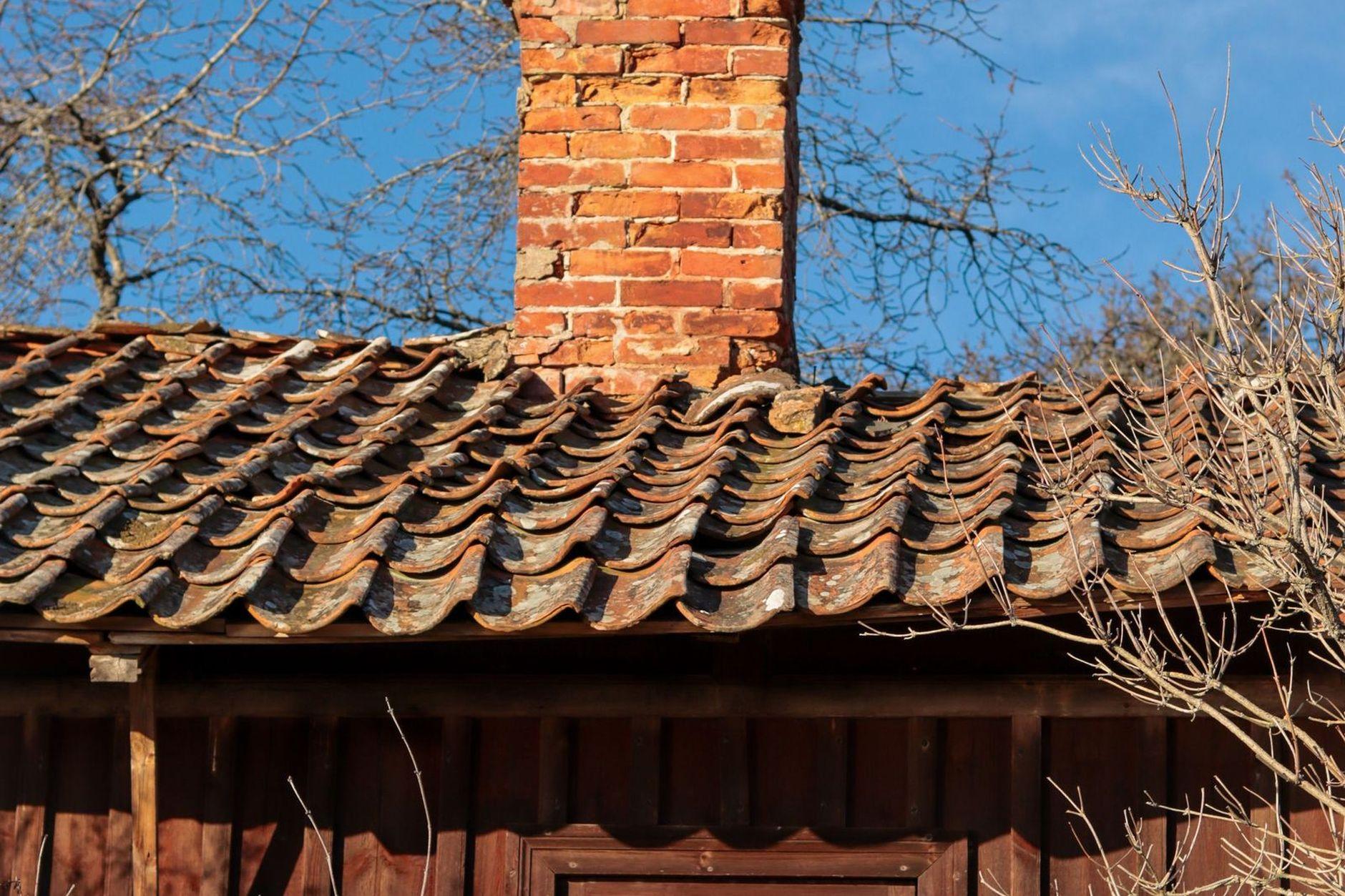
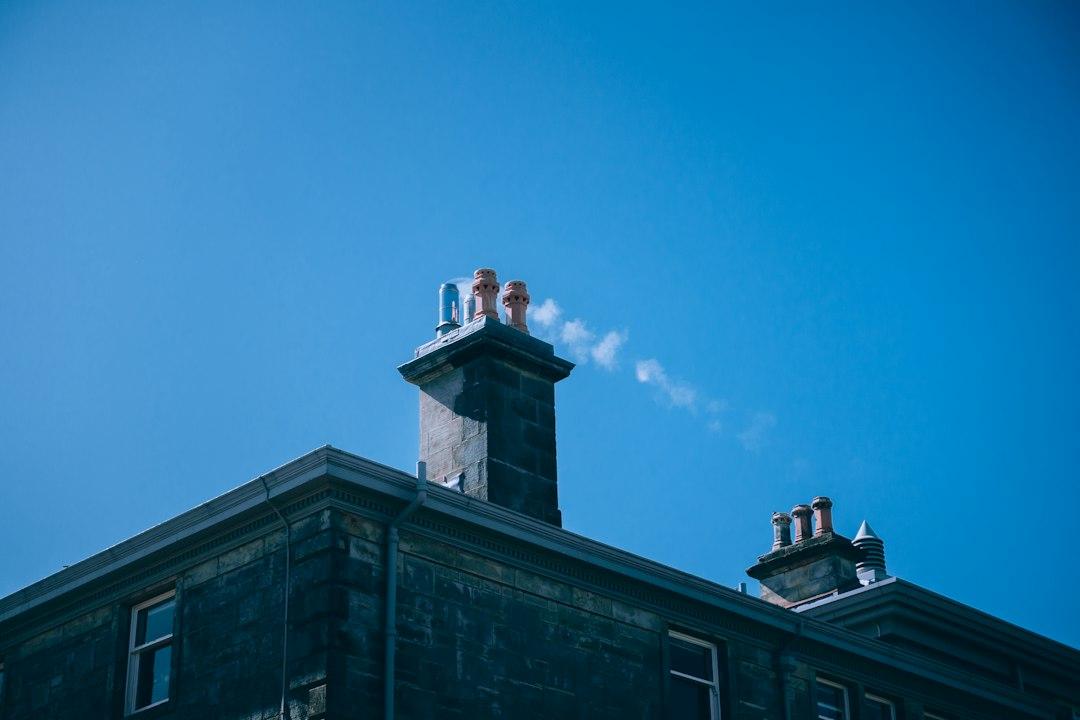
On a factory-built fireplace, the chase is a timber-framed box, finished to match the house, that wraps the metal pipe on its way above the roof. The chase cover, also called the chase top or chase pan, is the sheet of metal across the top of that box, with a raised collar where the pipe passes through. It is the roof of the chase, and when it fails, water goes straight into the framing.
Why chase covers give out
- Galvanized steel rusts. Many original covers were thin galvanized sheet. Once the coating wears, rust starts at the corners and seams.
- Flat tops hold water. A cover with no slope, or one that has sagged in the middle, keeps a puddle after every storm, and the puddle eats a hole.
- The collar seal ages. Around the pipe, the storm collar and its sealant shrink and crack in summer heat.
- Fasteners work loose. Santa Ana winds lever at a cover that is screwed only along its top edge.
Once water gets past the cover, it runs down the pipe and the studs inside the chase. The pipe rusts from the outside in, the sheathing softens, and the firebox below collects whatever gets through.
What replacement involves
We measure the chase and have a cover made to fit, in stainless steel or another metal that stands up to rain, with a raised centre or cross-break so water runs to the edges, and a turned-down hem that carries it clear of the cladding. The pipe opening is sized to that maker's pipe, because the cap and storm collar sit on it and both must match the listing.
The new cover is fixed through the sides of the chase rather than through the top, and the storm collar is reset and sealed. If the cap is rusted as well, it is replaced at the same visit with the cap listed for that pipe. The full service is described on our chimney chase cover page.
What sets the price
Chase covers are priced in writing after we measure, because chases range from a narrow box around one pipe to a wide one hiding two flues or a furnace vent. What moves the figure:
- Size and shape of the chase top, and how many pipes come through it.
- The metal. Stainless costs more than painted steel and outlasts it in the rain.
- The cap. If it needs replacing too, our cap price is quoted after we measure.
- Damage underneath. Rotted sheathing or a rusted pipe section found once the old cover comes off. We photograph it and price it separately before going further.
- Getting there. A two-storey chase on a steep tile roof takes longer.
If water has already marked the inside of the house, tracing where it enters and stopping it falls in our leak range of $565 to $3,400.
Ask for a chase cover quote and tell us whether the chase is stucco or siding, one storey or two, and whether water has shown up indoors.
When the damage may go deeper
If rust has been running for a while, the pipe inside the chase may be harmed. A Level 2 at $395 sends a camera through the pipe from the firebox to the top and shows whether sections have rusted through or pulled apart. Doing that before the new cover goes on means the quote covers everything, rather than a second visit once the cover is fitted.
What the written quote shows
Each quote for a chase cover lists the measured size of the chase top, the metal and its thickness, how the pipe opening is formed and sealed, and whether the cap is reused or replaced. Photos of the old cover, its rusted corners and the collar sit beside those lines. If we expect to find soft sheathing once the old pan is lifted, the quote says so and gives the rule we follow: work stops, we photograph what we find and you approve the extra before we carry on. Owners who are selling can pass the quote and photos straight to their agent.
What we will not do
We do not coat a rusted pan in roofing cement or paint and call it fixed, and we do not cut a new hole sized for a different maker's pipe. Both leave the system outside its listing, and both fail again, usually in the first wet winter.
Chase covers around Glendora
Houses in Glendora, Covina and Claremont from the late 1970s and the 1980s still carry many original galvanized covers, and plenty have now seen enough winters to rust at the seams. Houses near the foothills also collect more debris, with leaves and pine needles piling on the cover and holding moisture against it. A cover with real slope sheds them.
The cap that sits on top of the pipe has its own post: caps for factory-built chimneys.
Booking a measure
Send the address and what you have noticed through the contact page, and we will arrange a visit to measure the chase.
A Metal Firebox That Needs a Look?
Tully Chimney Works works from Glendora on factory built fireplaces. Repairs follow the maker's listing, and parts are ordered by model number off the rating plate.