The cap belongs to the fireplace
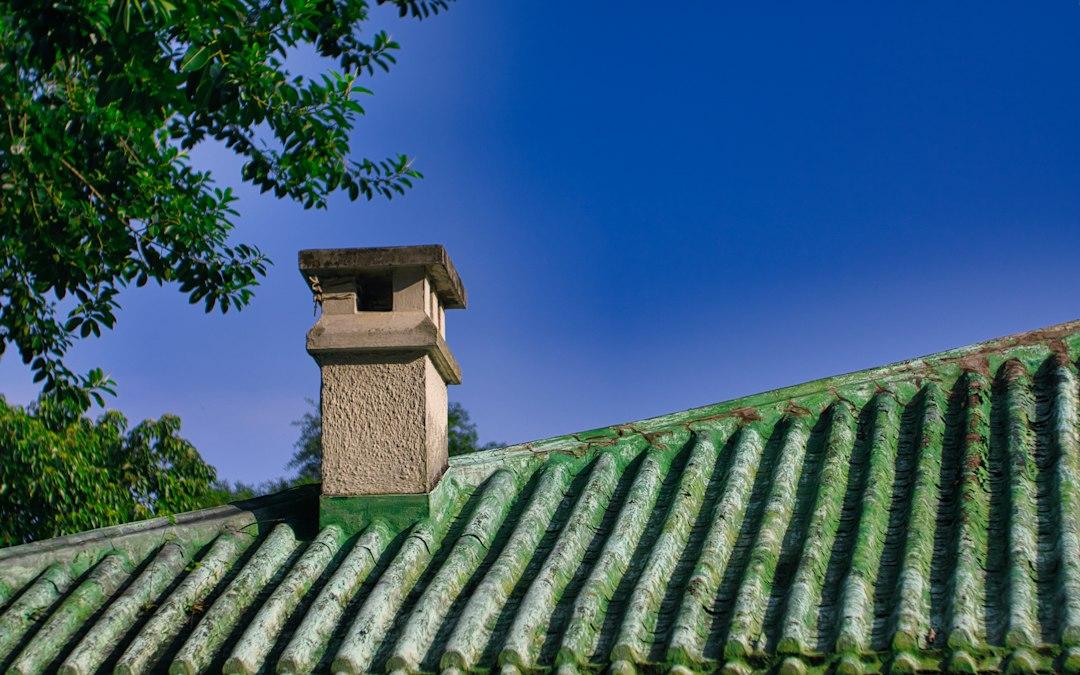
On a masonry chimney, a cap is something added later. On a factory-built fireplace, the cap, often called the termination, was part of the system the maker tested. The size of its opening, the height of its hood, the gauge of its screen and the way it locks onto the pipe all affect how the fireplace draws and how hot the pipe runs. When a Glendora owner tells us the cap blew off in a wind and a handyman put a new one on, the first thing we check is whether the new one belongs to that pipe.
Tully Chimney Works fits caps on factory-built chimneys across Glendora, Azusa, Covina and Claremont. Below: what a cap on a prefab system has to do, how we price it, and why the first cap on the shelf is often the wrong one.
What a cap on a prefab system does
- Lets the fire draw. The hood shape and the open area are part of what pulls smoke up. A smaller or taller cap can slow the draw and push smoke back into the room.
- Keeps the outer pipe cool. Many factory pipes rely on air moving between their walls. The cap is shaped to let that air in and out. A cap that blocks those gaps lets the pipe run hotter than it was tested for.
- Holds embers. The screen stops sparks leaving the top. In foothill streets under a Santa Ana wind, that matters to the brush and the roofs next door.
- Shuts out wet and wildlife. Birds and squirrels like an open pipe in a quiet chase, and rain likes it even more.
What we price, and what we quote
A cap, fitted, is quoted after we measure. The price depends on:
- The maker and pipe size. Listed caps for common diameters are the simplest jobs; caps for larger or less common systems cost more.
- Whether the maker's cap is still sold. If not, we look for an approved replacement for that pipe. If nothing is approved, we say so.
- Decorative shrouds. Some houses hide the cap inside a metal shroud. A shroud must be listed for use with that pipe, and those cost more.
- Height and roof. A tall chase on a two-storey house, or a steep tile roof, takes more time.
- What sits underneath. If the chase cover is rusted, a new cap on a failing top is money wasted. Chase covers are measured and priced in writing; see rusted chase cover replacement.
If the cap blew off and you have since seen water on the firebox floor, finding and stopping the leak is $565 to $3,400, and we usually look up the pipe first with a Level 2 at $395 to check for rust and debris.
Get a cap quote for your chimney and give us the maker's name from the plate inside the fireplace if you can see it, and whether the old cap is still on the roof.
Caps that cause trouble
- Masonry caps clamped onto a metal pipe. They often block the air gaps between the pipe walls.
- Caps with very fine mesh. Soot and leaves clog it, and a clogged screen chokes the fire.
- Caps from another maker. They sit loose and lift off in the first strong gust.
- Paint over rust. A painted cap looks fine from the street for one season.
How the visit goes
We read the plate inside the fireplace, then go up and look at the pipe end, the storm collar and the chase cover. We photograph the old cap, the pipe and the chase. If the cap in place is the right one and only needs refastening or a new screen, the quote says that. If it is wrong or worn out, we fit the listed cap and photograph it in place. More on the service is on our chimney cap installation page.
Shrouds, chase tops and a matching set
On some Glendora houses the cap is hidden inside a box-shaped metal shroud that sits on the chase cover and hides the pipe from the street. Shrouds look tidy, but they change how air moves around the top of the pipe, which is why the fireplace maker has to list them for that pipe. When a shroud is unlisted, rusted or loose, the quote offers two lines: the listed shroud, if one exists, or a plain listed cap with the chase cover trimmed to suit. You choose; we photograph both the before and the after.
Masonry flues on the same street
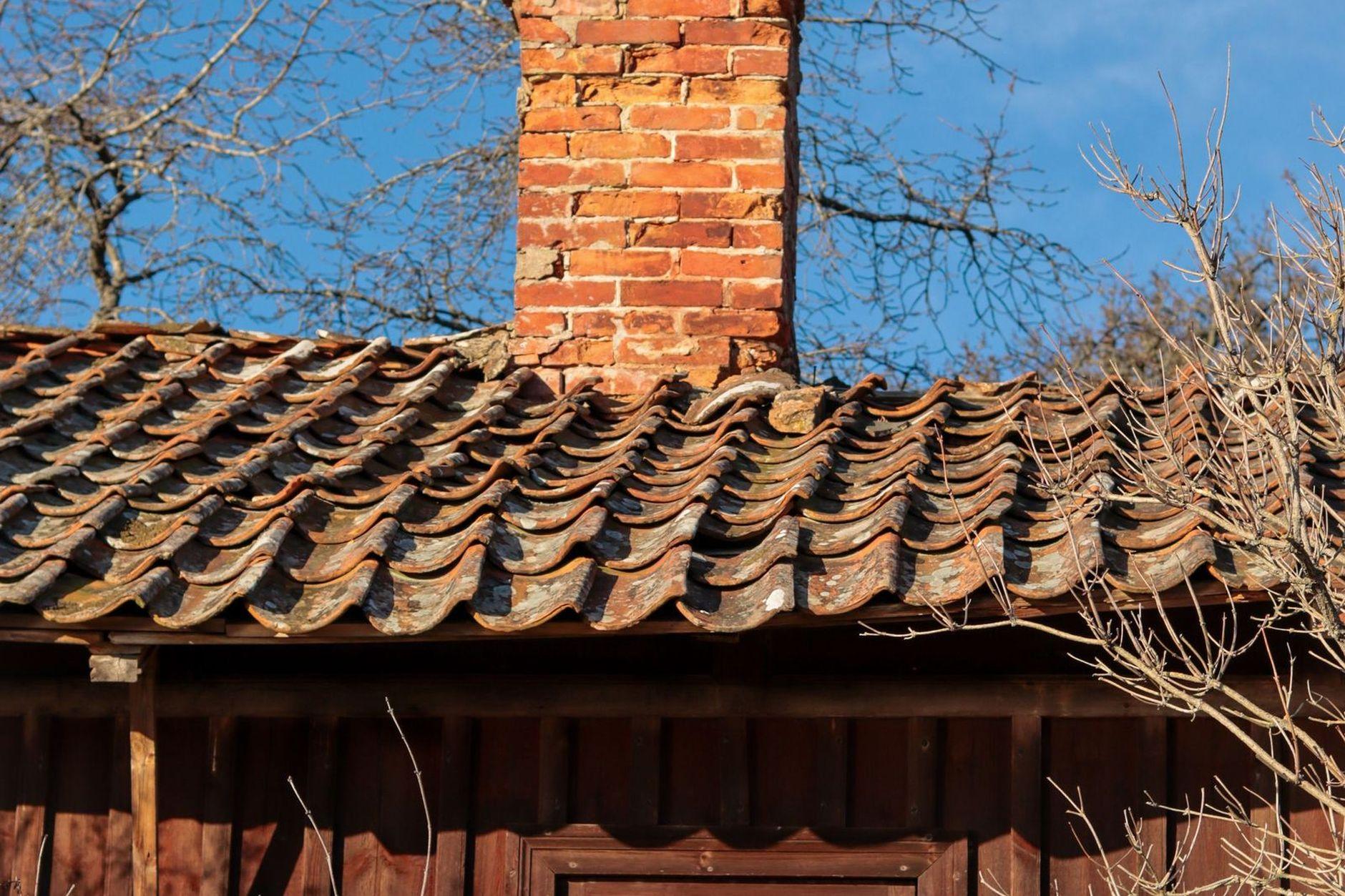
Not every Glendora house has a prefab. Older homes near the village and in parts of Covina have brick chimneys with clay flue tiles, and those take a cap sized to the tile, fixed to the tile or the crown. They are quoted after we measure too. The difference is that on brick there is no maker's list to match, and on a prefab there is.
Why it matters in Glendora
Glendora's north edge runs into the foothills, and Santa Ana winds push hot, dry air down the canyons. A fireplace lit on a cool evening before one of those winds needs a screen with no holes in it. The same winds tear off caps that were never locked onto the pipe, and the winter rain that follows finds any opening left uncovered.
Book the cap
Write through the contact page with the address and what happened to the old cap. We reply to set up a visit to measure the top, then send a written figure.
A Metal Firebox That Needs a Look?
Tully Chimney Works works from Glendora on factory built fireplaces. Repairs follow the maker's listing, and parts are ordered by model number off the rating plate.