The price starts with a metal plate
A metal fireplace in a Glendora tract house is not a pile of brick. It is a manufactured product: a steel firebox, a factory-made flue pipe running up a framed chase, and a cap that arrived in the same shipment. Somewhere inside the opening, usually on the smoke shield or behind the louvered grille below the firebox, a plate gives the maker's name, the model number and the parts the unit was tested with. That plate decides more about the cost of a repair than anything else, because every fix has to use parts that fit that listing.
Tully Chimney Works repairs factory-built fireplaces in Glendora, Azusa, Covina and Claremont, and most of the houses we visit went up from the 1970s onward with this kind of unit. Below is what we charge where we publish a figure, and what pushes a quote up or down where we do not.
Figures from our price list
These do not change once we arrive:
- Visual look over firebox, pipe and top (Level 1): $55
- Camera through the whole pipe run (Level 2): $395
- Flue sweeping: from $425
- Water at the chimney, found and stopped: $565 to $3,400
- Gas insert, where the old unit's listing permits one: $2,800 to $5,650
A replacement cap at the top of the chase is quoted after we measure. Panels, grates, glass doors, smoke shields, damper handles, chase tops and pipe sections have no fixed figure. Each is priced in writing once we know the model, because the part cost depends on whether the maker still supplies it.
What moves a repair quote
Whether the maker still exists. Plenty of 1970s and 1980s brands were bought, renamed or closed. When the original company or its successor still sells the part, the quote is the part, the shipping and the labour to fit it. When nobody sells it, we look for a replacement part approved for that model. If none exists, the plain answer may be that the unit has reached the end of its life, and the quote says so.
Which part failed. Refractory panels, the cast liners on the firebox walls, crack with heat and age. Fine surface lines are normal. A panel with a piece missing, or a gap that shows bare steel behind it, is a replacement item. A burned-through firebox floor or a split in the outer steel is another matter, because most listings allow no weld or patch there.
How much of the pipe is involved. Factory flue is a stack of double- or triple-wall sections locked together. A dented or loose section near the top is reached from the roof. A fault halfway up a two-storey chase can mean opening an access panel or the chase wall, and the drywall or stucco work adds to the bill.
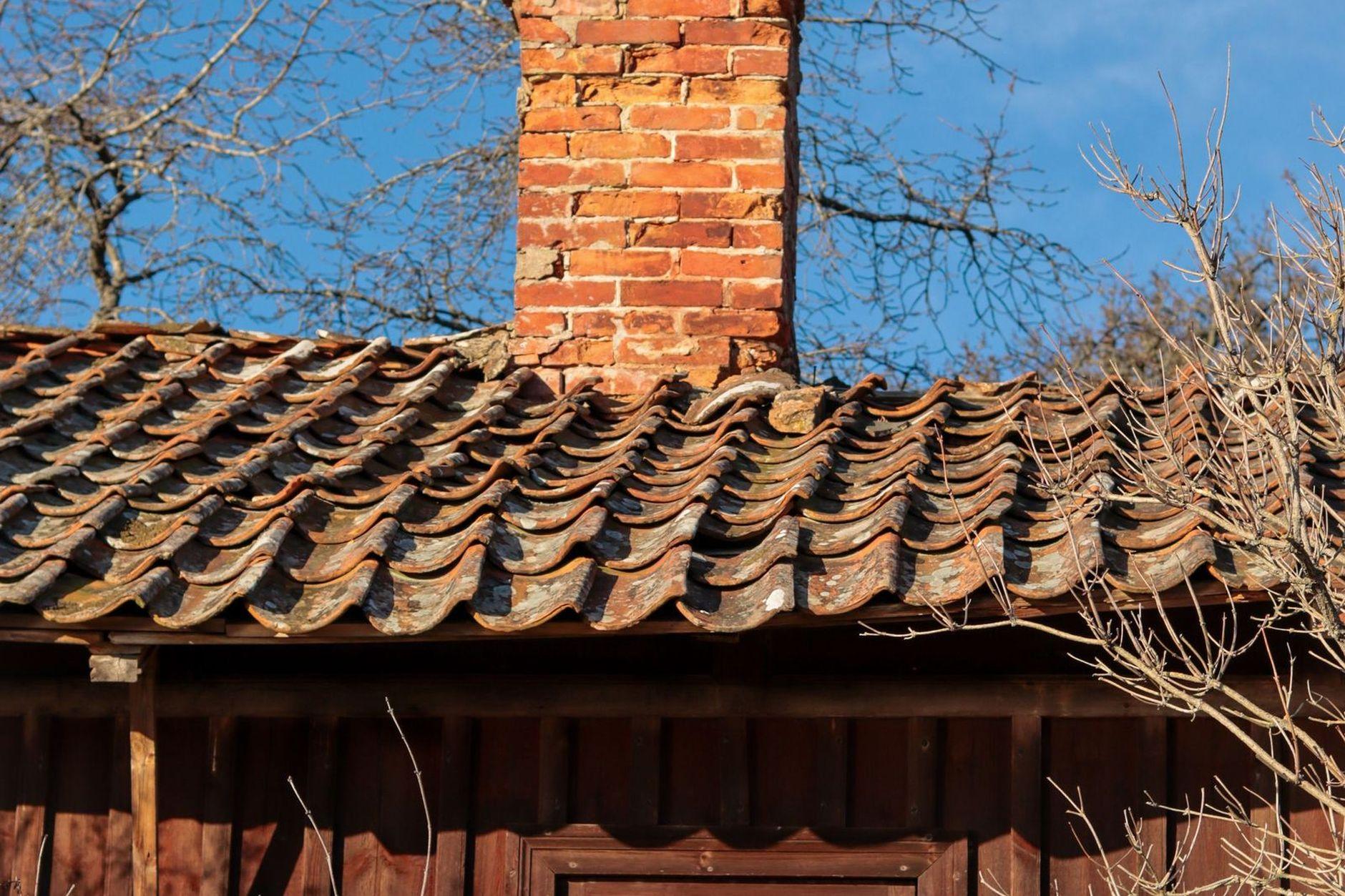
Access. A single-storey ranch house with a low roof is quicker than a two-storey house with a steep tile roof, where we take more care crossing the tiles.
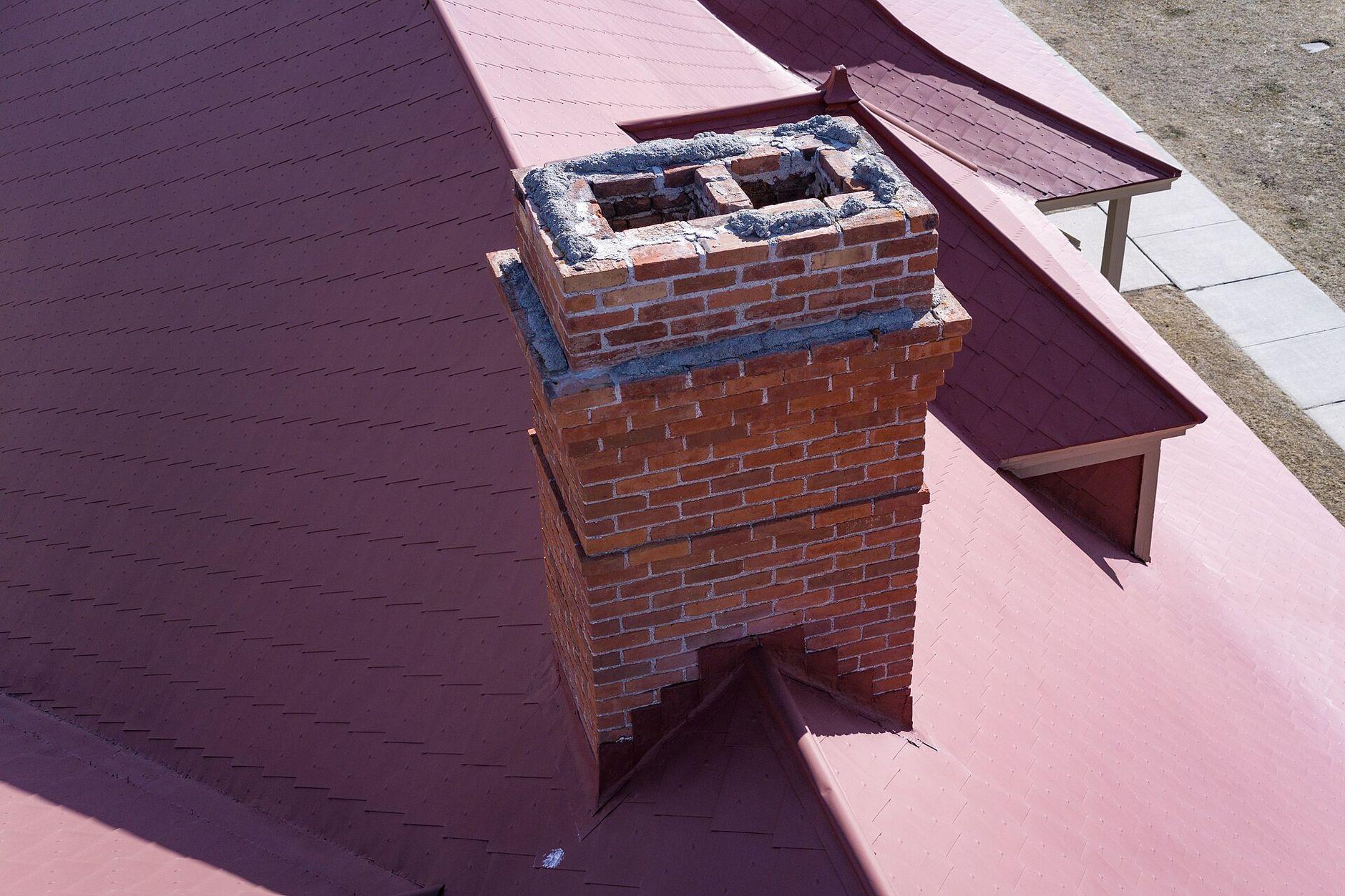
What else turns up. A repair visit sometimes finds a second fault, such as rust at the chase top dripping down inside the chase. That goes on its own line, and you approve each line separately.
Ask for a written repair quote and include the maker and model from the plate if you can read it, so we can check part supply before the visit.
Why a metal unit is not repaired like masonry
A brick firebox can be repointed and patched with refractory mortar. A factory-built firebox passed its test as a system: the spacing between the steel layers, the air gaps, the panels and the pipe were all part of what was tested. Packing furnace cement into a split, lining the box with loose firebrick, or fitting a hardware-shop cap changes that system, and the unit stops matching its listing. That is why some quotes for a small-sounding job come in higher than owners expect. The listed part costs more than an improvised one, and the listed part is the only one we fit.
It also explains why a few repairs come back marked not repairable. When the steel itself has failed, no listed fix exists, and the choice becomes a new unit, a gas insert listed for that model, or retiring the fireplace. Our repair or replace guide compares those three.
Usual jobs and how each is priced
- Cracked refractory panels: quoted for the model; most are one visit when the parts are in stock.
- Missing or bent smoke shield: priced with the part, since shields are model specific.
- Glass doors that gap or rattle: doors must be ones the maker approves for the unit.
- Damper that will not stay open: many prefab dampers are a plate and a handle; we price the part and the time.
- Rusted chase top: measured and quoted; see rusted chase cover replacement.
- Water on the firebox floor: traced first, then priced from the leak range above.
- Rusted cap: quoted after we measure.
Inspection first, or straight to repair?
If you already know the fault, for example a panel you can see is broken, we can quote from the model and confirm on the visit. If the fireplace has sat unused for years, smells of smoke in summer or has rust on the floor, start with an inspection. The Level 1 at $55 covers the parts within reach. When the pipe is in question, the Level 2 at $395 sends a camera up the whole run and shows each joint, which tells us whether the fix is a panel or a pipe section before anyone orders parts. Our fireplace inspection page covers what each visit records.
The Glendora side of it
Glendora backs onto the San Gabriel foothills, and Santa Ana winds push embers and leaves across the north side of town. That puts more weight on a sound spark screen at the top of the chase. Winter rain finds chase tops that have sagged or rusted. Summer heat dries out the sealant around the storm collar. None of this changes the price list, but it is why every repair visit includes a look at the top of the chase as well as the firebox.
Getting a number
The contact page takes the address, the plate details if you have them and a line on what the fireplace is doing. A written figure, or a visit to see it, comes back from there.
A Metal Firebox That Needs a Look?
Tully Chimney Works works from Glendora on factory built fireplaces. Repairs follow the maker's listing, and parts are ordered by model number off the rating plate.